Azaleas are beautiful flowering shrubs that add color and charm to your front yard or garden. There are many types of azaleas, including smaller varieties that work well in compact spaces and container gardens. Today, I want to talk with you all about dwarf azalea care and how to grow these lovely shrubs in your own garden.
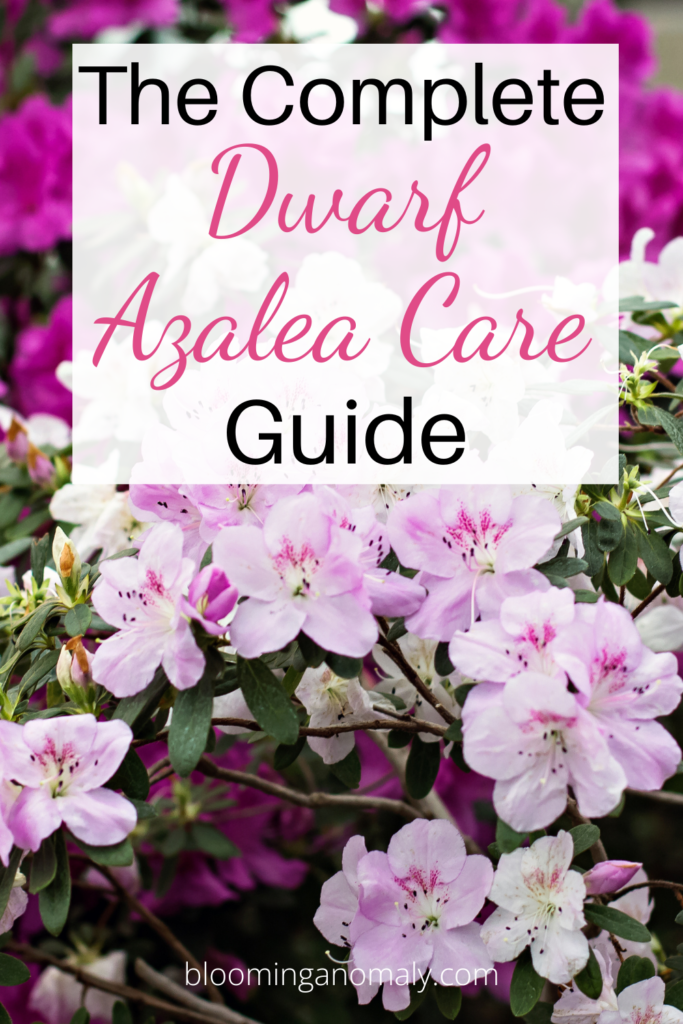
What is the Azalea Dwarf Plant?
Dwarf azalea plants are deciduous or evergreen shrubs from the rhododendron family. These plants are low-maintenance to take care of and grow close together.
They only reach two to three feet in height and length, making them great for smaller gardens or compact spaces in your yard. These small plants grow best in hardiness zone 6-9. Hardy varieties can grow outside of these zones.
How to Plant Azaleas
Check out these great tips on dwarf azalea care to enjoy your shrubs for as long as possible in your yard. Choosing the right planting location and providing consistent care will help your azaleas stay healthy, colorful, and full of blooms throughout the growing season.
Water
Water your azaleas with tap water deeply but not frequently. If you just purchased new azaleas, water them deeply about once a week to start. During extremely hot or dry weather, you may need to water more often to keep the soil from drying out completely.
Mulch
Mulch is a great way to protect your roots from fluctuating temperatures, keep moisture in the soil, and help protect the soil. Dwarf azaleas like acidic soil, so using pine straw for mulch is a great idea. Applying a few inches of mulch around the base of the plant can also help reduce weeds and improve soil quality
Light
Light is a very important part of the health of any plant. Dwarf azalea bushes generally need access to full sun to thrive. These little plants grow best with morning sun and afternoon shade, particularly in warmer climates where intense afternoon heat can damage blooms and leaves.
Soil
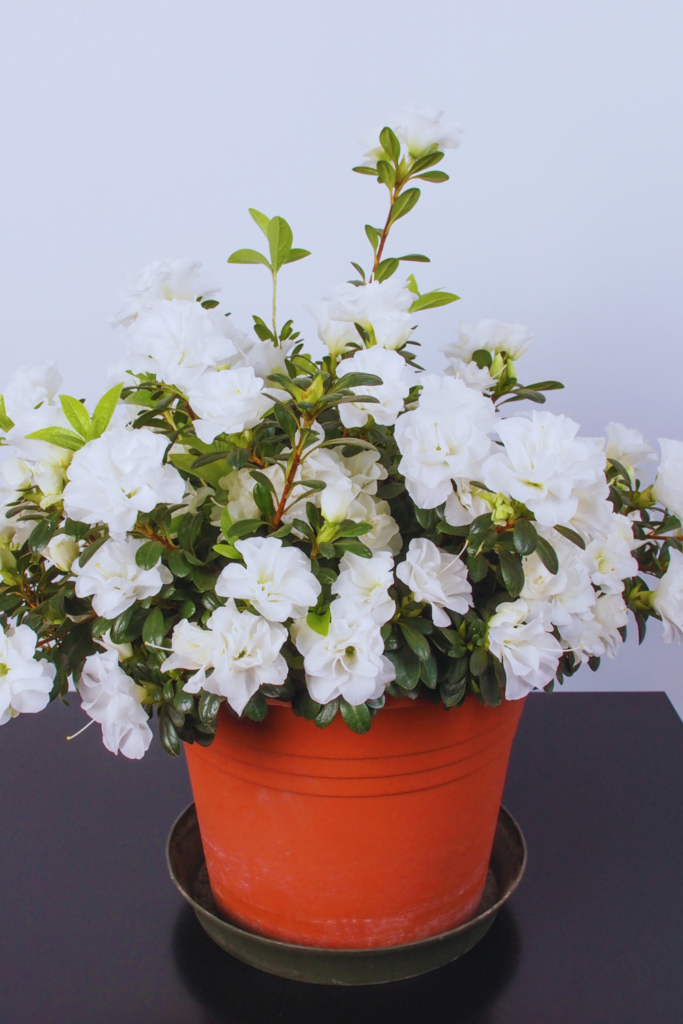
Soil is another important part of the health of your plants. Outdoor azaleas prefer well-drained soil with a soil pH of 4.5–6.0. Highly acidic soil with plenty of organic components will help your little plants thrive. Adding compost or organic matter before planting can improve drainage and provide extra nutrients.
Fertilizer
These acid-loving plants grow best in a fertilizer with a low pH. A slow-release formula with a 4-3-3 ratio can be applied when the blooms die off in the early spring and during the summer months. Avoid overfertilizing, since too much fertilizer can damage roots and reduce flowering.
How to Prune Azaleas
Dwarf azalea flowers don’t necessarily need to be pruned since the plant is a compact grower, but it can help. Take some shears and prune dead or extra branches once flowers have died away and before new flower buds start forming. Once pruned, the plant can then focus its energy on all the healthy parts.
Regular pruning is also an important part of dwarf azalea care because it improves air circulation and helps the shrub produce fuller blooms the following season.
Dwarf Varieties
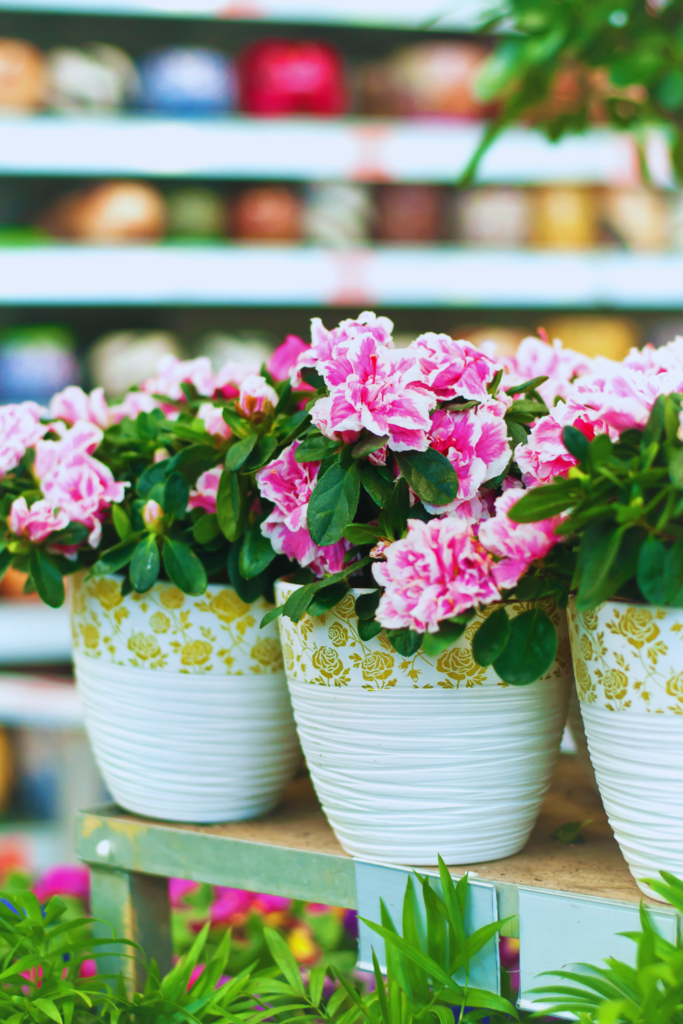
There are several azalea varieties that are smaller and perfect for urban gardens and smaller garden spaces. Below are just a few that grow in a compact size.
- Dwarf Encore Azaleas – Dwarf Encore Azaleas come in almost 20 different varieties. These compact plants produce huge blooms in an array of colors. They will last from spring until fall for you to enjoy.
- Dwarf Indica Azaleas – This evergreen variety will reach 1 – 2 feet in height and width when it matures. It is a member of the blueberry family.
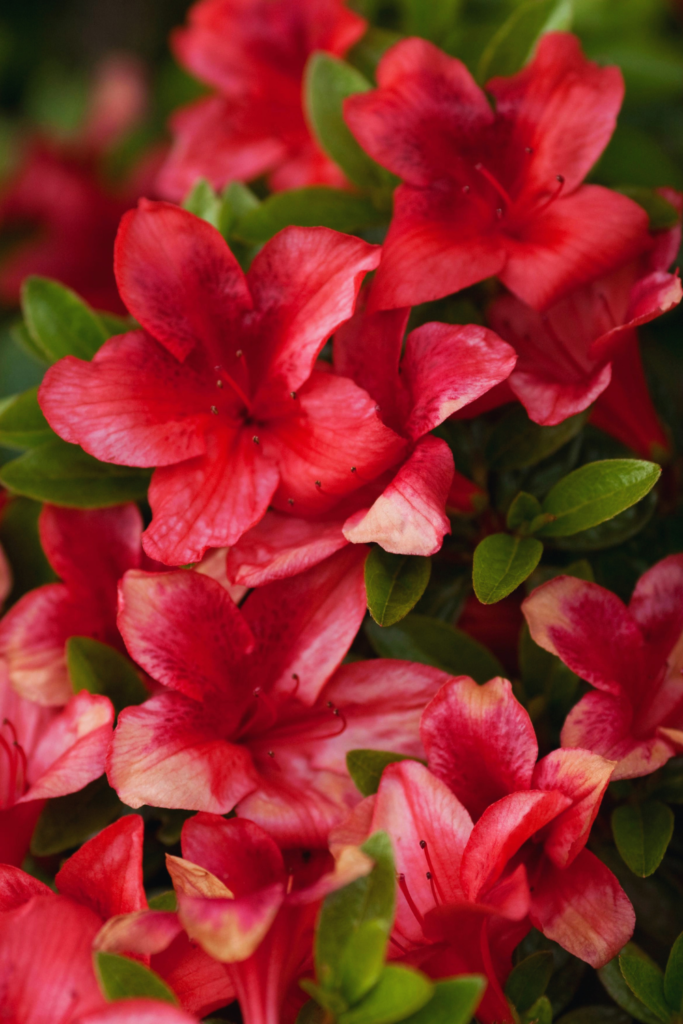
- Red Ruffles Azalea – The Red Ruffles Azalea blooms flowers in a vivid red with plenty of ruffled petals, just like its name suggests. This hybrid will grow 2 – 4 feet in height and width.
- Autumn Ivory – Autumn Ivory is a compact azalea that blooms vivid white flowers in the spring, summer, and fall. You can easily dress up your patio with these blooming in containers throughout the year.
- Coastal Azalea – The Coastal Azalea is a type of dwarf azalea that grows in the coastal plains of the southeast section of the United States. These deciduous azaleas bloom in shades of pink and white.
Desiduous vs Evergreen Dwarf Azaleas
Choosing between deciduous and evergreen dwarf azaleas depends on the look you want in your garden and how much year-round greenery you prefer. Understanding the differences between these two types is also an important part of dwarf azalea care, since each variety has slightly different growing habits, seasonal interest, and climate preferences.
Deciduous dwarf azaleas lose their leaves in the fall and often reward gardeners with colorful autumn foliage before going dormant for winter. Evergreen dwarf azaleas keep most of their leaves year-round, providing lasting greenery and structure in the landscape.
Both types produce beautiful blooms, but evergreen varieties are especially popular for foundation plantings and low hedges, while deciduous azaleas are often chosen for their seasonal color changes and cold hardiness.
Planting Azaleas in Pots
Dwarf azalea care includes learning how to care for pot-grown azaleas. Purchase a pot that is about twice the size of your plant so that it has plenty of room to grow.
Make sure the container has holes, or drill holes in the bottom, so that extra water can drain out. Since potted plants generally need to be watered more often than plants grown in the ground, having good drainage is important.
Pests and Diseases
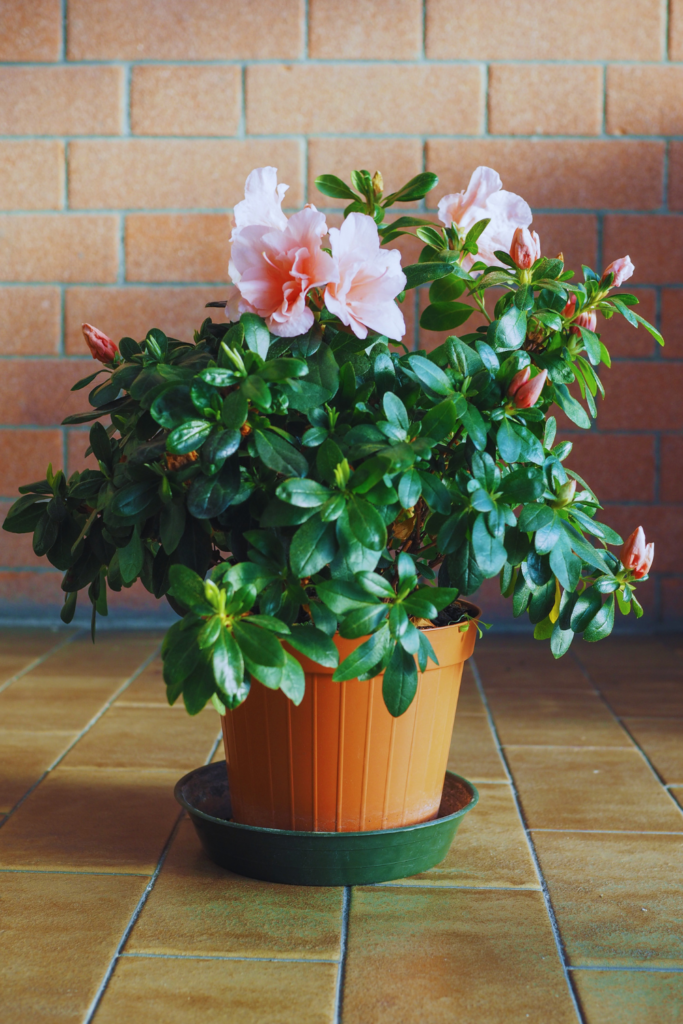
Dwarf azalea care includes being aware of pests and diseases to watch out for before they become a serious problem. Common pests include lace bugs, which feed on the undersides of leaves and can cause a pale or speckled appearance, and spider mites, which are tiny pests that thrive in hot, dry conditions and may leave fine webbing on the plant.
Keeping azaleas properly watered and healthy can help reduce pest issues.
Fungal diseases are also something gardeners should monitor closely. Root rot is often caused by overly wet soil and poor drainage, while powdery mildew appears as a white coating on leaves. Leaf spot causes dark spots and discoloration that may lead to leaf drop.
Preventing these problems is an important part of dwarf azalea care and includes providing good air circulation, avoiding overwatering, and removing damaged foliage when needed.
Designing a Garden with Dwarf Azaleas
Designing a garden can be as simple as displaying your potted azaleas around your patio or yard. Plant your azaleas in low hedges where you want some extra color in your outdoor space.
Dwarf varieties also work beautifully along walkways, around garden borders, or beneath taller shrubs and trees where their compact size adds layers of texture and seasonal blooms without overwhelming the space.
Mixing different bloom colors can create a vibrant cottage-garden feel, while sticking to one color palette gives your landscape a more polished and calming look.
Dwarf Azalea Care FAQs
Below are some frequently asked questions you may have about dwarf azalea care for your new plant. These tips will help you keep your dwarf azaleas healthy, colorful, and thriving throughout the seasons.
How big will dwarf azaleas get?
Most dwarf azaleas will grow to about 2 – 3 feet wide and high, although some varieties may grow smaller or bigger. Their compact size makes them ideal for borders, foundation plantings, containers, and small garden spaces.
Since they grow slowly and keep a naturally rounded shape, dwarf azaleas are also fairly low-maintenance and usually require very little pruning.
What do coffee grounds do for azaleas?
There are several benefits of including coffee grounds in the soil your azaleas are growing in, including creating soil that is healthier, slowly releases nitrogen, and keeps the soil acidic.
The easiest way to add coffee grounds to your garden soil is to sprinkle no more than an inch around the plant and mix it with the soil.
What not to plant next to azaleas?
Companion planting is a popular way to grow plants close to each other that have similar growing needs. Goldenrod and lavender should not be planted near your dwarf azaleas. Goldenrod grows better in alkaline soil. Lavender also prefers less acid soil requirements than azaleas.
Do dwarf azaleas stay green all year?
As their name suggests, evergreen azaleas stay green all year long, since they will bloom off and on throughout most of the year. Watch out for pests and diseases if too many leaves start to fall off or turn brown.
Dwarf Azalea Care Conclusion
With the right growing conditions and a little attention throughout the seasons, these compact shrubs can thrive for years in your garden. From watering and pruning to preventing pests and diseases, proper dwarf azalea care will help your plants stay healthy, colorful, and full of beautiful blooms year after year.