Landscaping is an essential part of any outdoor space, whether it’s a small backyard or a large garden. When it comes to landscaping, one element that can make a significant impact is mulch. Below are some great red mulch landscaping ideas to help add aesthetic value to your yard.
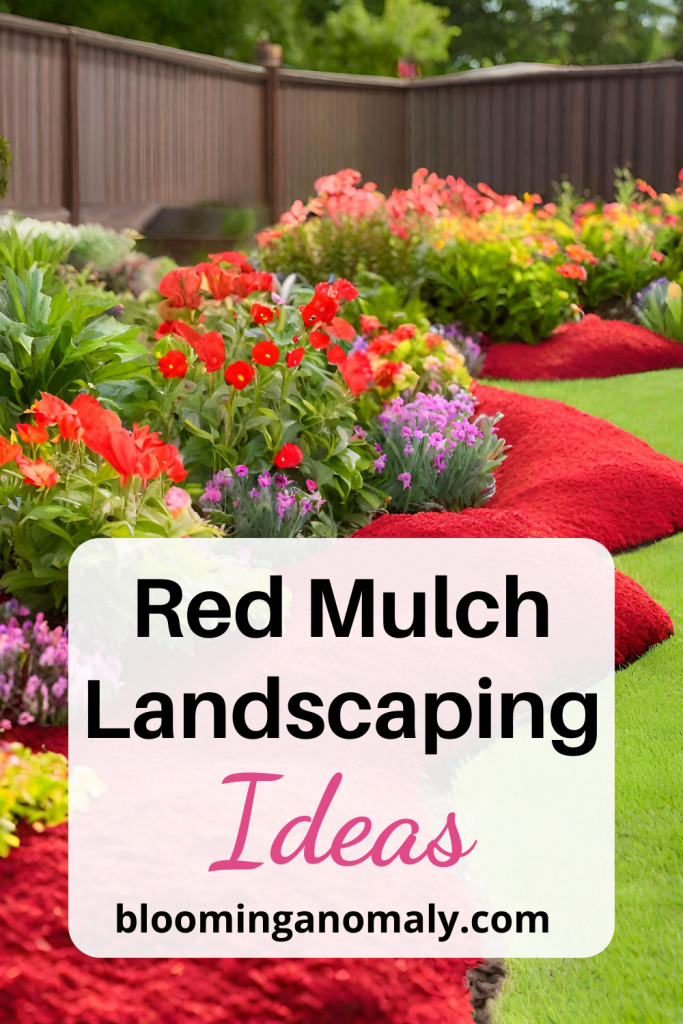
Among various types of mulch available in the market, red mulch has gained popularity for its vibrant color and numerous benefits. In this blog post, we will delve into the world of red mulch landscaping and explore different ideas to incorporate it into your outdoor space.
What is Red Mulch?
Red mulch is a type of organic or inorganic material that acts as a protective cover on the soil surface. Made from shredded bark, wood chips, or rubber, it is dyed with a red pigment to give it a bright and bold color.
Apart from adding visual interest, red mulch offers numerous benefits for your plants and garden.
Why Use Red Mulch?
There are several reasons why red mulch has become the go-to choice for many landscapers and gardeners. Not only does it add aesthetic appeal to your outdoor space, but it also serves several practical purposes.

Here are some of the reasons why you should consider using red mulch in your garden:
- Decorative: The vibrant red color of the mulch adds a pop of color to your garden and enhances its overall look.
- Moisture Retention: Red mulch helps keep the soil moist and cool, providing an ideal environment for plants to thrive.
- Weed Control: Mulching with red mulch can significantly reduce weed growth in your garden, saving you time and effort in weeding.
- Temperature Regulation: During extreme temperatures, red mulch acts as a protective layer, keeping the soil at a moderate temperature and protecting your plants from heat or cold.
- Nutrient Source: As red mulch breaks down, it adds organic matter and nutrients to the soil, promoting healthy plant growth.
- Insect Repellent: The scent of cedar in red mulch can act as a natural insect repellent, keeping pesky bugs at bay.
How to Use Red Mulch?
Red mulch is versatile and can be used in various ways to enhance your landscape design. Here are some ideas to get you started:

- Plant Beds: The most common use of red mulch is in plant beds, where it adds a pop of color while providing all the benefits mentioned above.
- Rose Gardens: Red mulch works exceptionally well in rose gardens, giving them a vibrant and romantic look. It also helps retain moisture, making it an ideal mulching option for these delicate flowers.
- Patios and Decks: For a low-maintenance and visually appealing patio or deck, consider using red mulch as the ground cover. It is a great alternative to traditional grass and can withstand heavy foot traffic.
- Walkways and Driveways: Red mulch can be used as a decorative element on walkways and driveways. It adds texture, color, and interest to otherwise plain pathways.
- Vegetable Gardens and Flower Beds: Red mulch is an excellent choice for vegetable gardens and flower beds as it provides all the necessary nutrients for healthy plant growth.
- Around Bushes and Trees: For a uniform look in your garden, use red mulch around bushes and trees. It will not only make your plants stand out but also protect them from harsh weather conditions.
Types of Red Mulch
You can find two types of red mulch in the market – organic and inorganic. Organic mulches are typically made from natural materials like bark, wood chips, or pine needles.
On the other hand, inorganic mulches are made from recycled materials like rubber or plastic. Both types have their advantages and can be used based on personal preference and specific needs.

- Organic Mulch: Red hardwood mulch and red cedar mulch are two popular options for organic red mulch. These types of mulches not only add visual interest but also decompose over time, adding nutrients to the soil.
- Inorganic Mulch: If you’re looking for a long-lasting option, red rubber mulch is a great choice. Made from recycled rubber, it doesn’t break down and provides all the benefits of mulch without the need for frequent replacements.